Breathing techniques
Box breathing, 4-7-8, alternate nostril, and calm belly breathing. Clear instructions you can use in a few minutes to slow your pulse and set the day aside mentally — no equipment needed.

Gentle breathing exercises, mindful meditation, and thoughtful sleep rituals you can bring into your evening tonight. Unhurried, no promises, no pressure.
Our magazine collects practical relaxation techniques from mindfulness, breathwork, and gentle movement. We write for people who want to wind down at night but have no patience for esoteric talk or impossible routines.
On this site you will find practices that fit into 5 to 20 minutes — after work, before brushing your teeth, or already in bed. We draw from accessible sources in sleep research, from traditional methods like pranayama or yoga nidra, and from everyday rituals that people actually keep up with.
Every article explains how an exercise works, when it makes sense, and what to look out for. We make no miracle or healing promises — we simply share what helps us bring the day to a more conscious close.
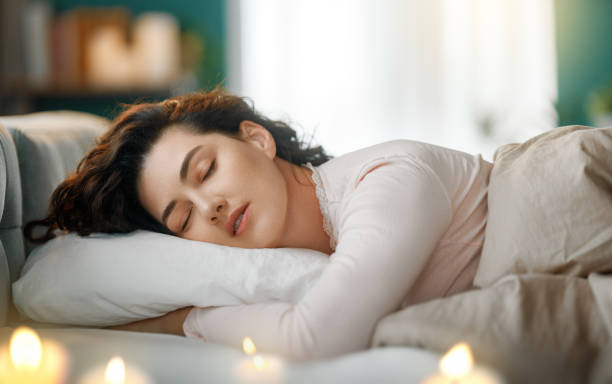
We organize our content into three areas you can freely combine. Start with whatever feels easiest right now — the rest may follow later.
Box breathing, 4-7-8, alternate nostril, and calm belly breathing. Clear instructions you can use in a few minutes to slow your pulse and set the day aside mentally — no equipment needed.
Guided body scans, yoga nidra, sound meditations, and mantra practices. We explain the differences, how long each form makes sense, and what to do when your thoughts simply will not settle.
Evening routines that gently tune your body toward rest: light management, soft stretching, journaling, warm baths, herbal teas. Includes templates you can use to design your own evening flow.
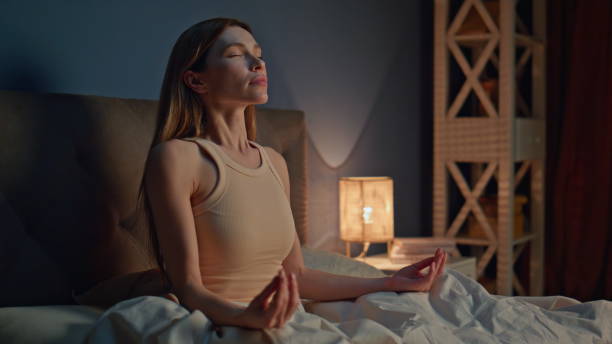
You do not need a perfect plan. Start with one element and notice over two weeks how your evening feeling shifts.
For three days, roughly note what you do between 8 and 11 p.m. Screen time? Snacks? Conversations? This small overview shows you where it makes sense to slot a calmer practice in — without flipping everything upside down.
One breathing technique, one short meditation, or one concrete ritual like a warm foot bath. Just one. Do it seven evenings in a row and honestly give it a chance to settle into your day.
For example: right after brushing your teeth, or once the evening news is over. When the practice attaches to something already there, you do not need a timer or willpower — the anchor does the work for you.
When one routine feels stable, add another piece. Maybe a cup of warm tea, maybe dimming the lamps. The goal is not to build a perfect stage but to send the body the signal: the day is done now.
These mini exercises barely need preparation and fit into almost any evening. Try two or three and keep the ones that feel right.
Pause in front of the bedroom door once, take three slow deep breaths, and symbolically leave the day outside.
Hold your hands under warm water for 30 seconds. The warmth moves into the periphery, and the body reads it as a signal to relax.
An hour before bed, turn off the ceiling lamp and keep only indirect lights on. Your eyes will thank you, and the rest follows.
Three short notes about what was good today and one open topic that "may wait until tomorrow." The mind quietly lets go.
What do I hear? What do I smell? What touches my skin? A minute is enough to step out of thinking and back into the room.
Sitting down, do ten slow shoulder rolls backward. The upper back is often tense in the evening — this releases quickly.
Relaxation before sleep is not a performance you have to deliver. It is the quiet gap you make for yourself — usually it only takes ten minutes of courage to do nothing at all.
— Editorial team Vraxyloniawhrala
Around sleep and relaxation, many promises circulate. Here is an honest side-by-side of common assumptions and what is actually realistic.
| Myth | What is closer to true |
|---|---|
| Reading on a tablet is essentially the same as reading a book. | The display brightness and the content itself can keep the mind active, which often delays the natural transition into rest. |
| Meditation must last at least 30 minutes. | Even 5 to 10 minutes of regular practice is practical and meaningful. |
| If you cannot sleep, you should "burn it off". | Late intense workouts often raise tension. Soft stretching tends to be more reliable. |
| Screens are only problematic because of blue light. | The cognitive arousal from the content itself also delays winding down. |
| Breathing exercises work instantly and completely. | They help, but like a tool — the effect grows with regular practice. |
Every seven days we send you one new exercise, a small reflection question, and a gentle reminder to come back to yourself in the evening. Unsubscribe anytime.
By subscribing you confirm you are 13 years of age or older and you agree to our Privacy Policy. We collect only your email address to deliver this weekly letter. You can unsubscribe with one click in every email. See our Notice at Collection. Sender postal address: 199 E 5th Ave, Eugene, OR 97401, United States.